
Study in Bosnia

Study in Bosnia Studying in Bosnia and Herzegovina can be a good option for Pakistani students for several reasons. Here are the main advantages: 1. Affordable Tuition Fees Compared to many European countries, universities in Bosnia have relatively low tuition fees. Bachelor’s programs: approximately €3,000 – €6,000 per year Master’s programs: approximately €3,500 – €6,000 per year This makes it more affordable for many international students from Pakistan. 2. Low Cost of Living Living expenses in Bosnia are lower than in most European countries.Students usually spend around €300 – €500 per month on accommodation, food, and transportation. 3. English-Taught Programs Several universities offer programs in English, especially international universities such as: International University of Sarajevo International Burch University This allows Pakistani students to study without learning the local language. 4. Flexible English Requirements Some universities may accept IELTS. In certain cases, they may also accept a Medium of Instruction (MOI) letter from your previous school or college instead of IELTS. 5. European Education System Bosnia follows the European Bologna education system, which is recognized across Europe. This can help students continue further studies or find opportunities in other European countries. 6. Muslim-Friendly Environment Bosnia has a significant Muslim population, and halal food and mosques are widely available. This can make it more comfortable for Pakistani students. 7. Travel Opportunities in Europe While studying in Bosnia, students can easily travel to nearby countries such as: Croatia Serbia Montenegro Summary: Bosnia is attractive for Pakistani students because of: Lower tuition fees Affordable living costs English-taught programs Muslim-friendly culture Access to the European education system If you ‘ve any query, please feel free to discuss and information Student visa process for Bosnia from Pakistan Best courses for Pakistani students in Bosnia Total cost of studying in Bosnia (fees + living). Student Visa Process for Bosnia (From Pakistan) Pakistani students usually apply for a long-stay Type-D student visa after receiving admission from a Bosnian university. Step-by-Step Process 1. Get Admission from a UniversityExamples: · University of Sarajevo · International University of Sarajevo · International Burch University After admission, the university issues an acceptance or invitation letter. 2. Prepare Required Documents Typical documents include: · Valid passport · Visa application form · Passport photos · University admission letter · Bank statement (proof of funds) · Police clearance certificate · Medical certificate · Travel health insurance · Educational certificates and transcripts · Accommodation proof 3. Apply for Visa Apply through the Bosnia and Herzegovina Embassy or visa center with the required documents. · Visa fee: about €60–€95 depending on visa type. 4. Visa Processing Time Usually takes 1–3 months for Pakistani students. 5. Residence Permit After Arrival After reaching Bosnia: · Register within 48 hours · Apply for temporary residence permit within about 75 days. This permit allows you to stay legally during your studies. Best Courses for Pakistani Students in Bosnia These programs are most popular among international students: Medicine / MBBS · Duration: 6 years · Tuition: about €3500–€5500 per year. Universities: · University of Sarajevo · University of Banja Luka Business & Management Common programs: · Business Administration · MBA · International Business Popular universities: · International University of Sarajevo IT & Computer Science High demand field including: · Software Engineering · Information Technology · Artificial Intelligence Engineering Options include: · Civil Engineering · Mechanical Engineering · Electrical Engineering Social Sciences Examples: · International Relations · Political Science · Economics Total Cost of Studying in Bosnia Tuition Fees Average yearly tuition: · Bachelor programs: €2,000 – €,000 · Master programs: €,500 – €,000 · Medicine: €500 – €500. Living Costs Typical monthly expenses: Expense Average Cost Accommodation €100 – €300 Food €100 – €200 Transport €20 – €30 Other expenses €50 – €100 Average living cost: €300 – €600 per month. Estimated Total Cost (1 Year) Approximate yearly cost: · Tuition: €2000 – €6000 · Living: €3600 – €7200 Total yearly cost:€5,600 – €12,000 Part-Time Work for Students International students in Bosnia can work up to 20 hours per week during studies. Typical student jobs: · Restaurant work · Customer service · Freelance IT work · University assistant jobs Summary Studying in Bosnia and Herzegovina is attractive for Pakistani students because: · Low tuition fees · Affordable living costs · English-taught programs · European degree recognition · Possibility of part-time work If you ve any query regarding feel free to discuss whatsapp@03344003670 · Study in Bosnia for Pakistani students · Bosnia universities for international students · Best courses in Bosnia for Pakistanis · Bosnia student visa process for Pakistan · Affordable study abroad options Europe · English programs in Bosnia universities · MBBS in Bosnia for Pakistani students · Business and management courses in Bosnia · IT and engineering programs Bosnia · Living cost in Bosnia for students · Bosnia tuition fees for international students · How to apply to Bosnia universities from Pakistan · Bosnia study visa requirements Pakistan · Top universities in Bosnia for Pakistani students · Scholarships for Pakistani students in Bosnia · Bosnia higher education opportunities · European study abroad countries affordable · Muslim-friendly countries to study abroad · Bosnia student accommodation guide · Part-time jobs for students in Bosnia Contact us for details: whatsapp@03344003670
Best Countries To Study MBBS Abroad for Pakistani Students

Best Countries To Study MBBS Abroad for Pakistani Students Home Best Countries To Study MBBS Abroad for Pakistani Students Studying MBBS abroad has become an increasingly popular option for Pakistani students due to limited seats, high merit, and rising costs in local medical universities. Many countries now offer internationally recognized MBBS programs with affordable tuition fees, modern facilities, and strong clinical exposure. This blog highlights the best countries to study MBBS abroad for Pakistani students, covering education quality, affordability, recognition, and career prospects. 1. Why Study MBBS Abroad? Pakistani students choose MBBS abroad for several key reasons: Affordable tuition fees Lower merit requirements English-medium instruction Globally recognized degrees Advanced medical infrastructure International clinical exposure 2. MBBS in China China is one of the top destinations for Pakistani MBBS students. Why Choose China? PMC & WHO recognized universities English-taught MBBS programs Affordable tuition and living costs Advanced hospitals for clinical training Average Tuition Fees:PKR 6–12 lakh per year China also offers government and university-level scholarships. 3. MBBS in Russia Russia has a long-standing reputation in medical education. Key Benefits: Globally recognized medical degrees No entrance exams Affordable education Strong clinical training Average Tuition Fees:PKR 5–9 lakh per year Russian universities are recognized by WHO and other international bodies. 4. MBBS in Uzbekistan Uzbekistan is emerging as a preferred destination for Pakistani students. Why Uzbekistan? Low tuition fees English-medium programs Cultural similarity Simple admission process Average Tuition Fees:PKR 4–7 lakh per year 5. MBBS in Kazakhstan Kazakhstan offers quality medical education at affordable costs. Advantages: Modern medical universities English-taught MBBS programs Low cost of living WHO recognized institutions Average Tuition Fees:PKR 4–8 lakh per year 6. MBBS in Turkey Turkey combines high academic standards with advanced healthcare systems. Why Study in Turkey? European-standard medical education Modern hospitals and labs Scholarships available Growing international recognition Average Tuition Fees:PKR 8–15 lakh per year Some programs require entrance exams or higher academic merit. 7. MBBS in Georgia Georgia has become very popular among Pakistani students. Key Highlights: English-medium MBBS Simple admission process Affordable living costs European-style education system Average Tuition Fees:PKR 6–10 lakh per year 8. MBBS in Kyrgyzstan Kyrgyzstan is known for its cost-effective MBBS programs. Why Kyrgyzstan? Lowest tuition fees Easy admission criteria English-medium instruction WHO recognized universities Average Tuition Fees:PKR 3–6 lakh per year 9. Recognition and Licensing Before choosing a country, students must ensure: University is recognized by WHO Eligible for PMC registration Degree accepted for licensing exams such as NLE, PLAB, USMLE Proper verification is essential for future practice. 10. Cost of Living Comparison Most MBBS destinations offer affordable living costs: Monthly expenses: PKR 60,000 – 120,000 University hostels are usually economical Food and transport are budget-friendly 11. Admission Requirements Common requirements include: FSC (Pre-Medical) or equivalent Minimum academic percentage (varies by country) Valid passport Medical fitness certificate Some countries may require entrance tests or interviews. 12. Career Opportunities After MBBS After completing MBBS abroad, Pakistani students can: Appear in PMC NLE Practice in Pakistan after registration Pursue specialization abroad Work in the country of graduation 13. How to Choose the Right Country? Consider: Budget University recognition Language of instruction Licensing exam success rates Long-term career goals Professional guidance can help avoid costly mistakes. 14. Final Thoughts Studying MBBS abroad offers Pakistani students a valuable opportunity to pursue medical education without excessive financial or merit pressure. Countries like China, Russia, Georgia, and Central Asian states provide quality education, affordability, and international exposure. With the right planning and expert support, studying MBBS abroad can be a life-changing decision.
Pakistani Students’ Cost of Living and Tuition in China in 2026

Pakistani Students’ Cost of Living and Tuition in China in 2026 Home Pakistani Students’ Cost of Living and Tuition in China in 2026 China has emerged as one of the most affordable and academically strong study destinations for Pakistani students. With globally ranked universities, English-taught programs, and generous scholarships, China offers quality education at a fraction of the cost compared to many Western countries. In 2026, studying in China remains a cost-effective and future-focused option for Pakistani students. This blog provides a complete breakdown of tuition fees, living expenses, scholarships, and financial planning for Pakistani students planning to study in China. 1. Why Choose China for Higher Education? China attracts thousands of Pakistani students every year due to: Affordable tuition fees Low cost of living Globally recognized degrees English-taught programs Strong Pakistan–China relations Wide range of government scholarships 2. Average Tuition Fees in China (2026) Tuition fees in China vary by university and program but are generally affordable. Bachelor’s Programs:PKR 4–8 lakh per year Master’s Programs:PKR 5–10 lakh per year MBBS Programs:PKR 6–12 lakh per year Top public universities usually charge lower fees compared to private institutions. 3. Cost of Living in China for Pakistani Students Living expenses depend on the city and lifestyle, but overall costs are manageable. Average Monthly Expenses: Accommodation: PKR 40,000 – 70,000 Food: PKR 25,000 – 40,000 Transport: PKR 5,000 – 8,000 Utilities & Internet: PKR 6,000 – 10,000 Estimated Monthly Cost:PKR 80,000 – 120,000 4. Accommodation Options Pakistani students can choose between: University dormitories (most affordable) Shared apartments Private rentals University hostels are safe, economical, and preferred by international students. 5. Scholarships Available for Pakistani Students China offers some of the most generous scholarships worldwide. Major Scholarships Include: Chinese Government Scholarship (CSC) Provincial Government Scholarships University-Specific Scholarships These scholarships may cover: Full tuition fees Accommodation Monthly stipend Medical insurance 6. Part-Time Work Opportunities International students in China are allowed to work part-time with university and local authority approval. Work Limits:Up to 20 hours per week This helps students manage daily expenses and gain experience. 7. Popular Study Programs in China Pakistani students commonly enroll in: Medicine (MBBS) Engineering Computer Science Business & Management International Relations Many programs are offered fully in English. 8. Admission Requirements General requirements include: Academic transcripts Valid passport English proficiency (IELTS or medium of instruction letter) Study plan or SOP Medical examination report 9. Student Visa Process for China Pakistani students apply for an X1 or X2 study visa. Key steps include: University admission letter JW202 or JW201 form Financial proof Medical certificate The visa process is straightforward for Pakistani applicants. 10. Cities with Lower Living Costs For budget-conscious students, cities like: Wuhan Xi’an Nanjing Harbin offer quality education with lower living expenses compared to Beijing or Shanghai. 11. Healthcare and Insurance Medical insurance is mandatory for international students and is usually included in tuition or scholarship packages. 12. Career Prospects After Graduation Graduates can: Work in China with a valid work permit Return to Pakistan with an internationally recognized degree Explore opportunities linked to CPEC and multinational companies 13. Financial Planning Tips Pakistani students should: Apply early for scholarships Choose affordable cities Opt for university accommodation Track monthly expenses 14. Final Thoughts China remains one of the most affordable and practical study destinations for Pakistani students in 2026. With low tuition fees, manageable living costs, and excellent scholarship opportunities, China provides strong academic value and global exposure. With proper planning and guidance, studying in China can be a smart investment in your academic and professional future.
Top 10 Best Universities in Italy for Pakistani Students to Study in 2025 and 2026

Top 10 Best Universities in Italy for Pakistani Students to Study in 2025 and 2026 Home Top 10 Best Universities in Italy for Pakistani Students to Study in 2025 and 2026 Italy has become an increasingly popular study destination for Pakistani students due to its world-class universities, affordable tuition fees, and rich cultural heritage. With English-taught programs, generous scholarships, and strong career prospects across Europe, Italy offers an excellent academic and lifestyle balance for international students planning to study abroad in 2025 and 2026. Below is a detailed guide to the top 10 universities in Italy that are highly suitable for Pakistani students, along with key reasons why Italy is a smart choice for higher education. 1. Why Study in Italy as a Pakistani Student? Italy is home to some of the oldest and most prestigious universities in the world. Pakistani students benefit from: Internationally recognized degrees Affordable tuition compared to other European countries English-taught Bachelor’s and Master’s programs Government and regional scholarships Opportunity to work part-time during studies Access to Europe’s job market after graduation 2. University of Bologna The University of Bologna is the oldest university in Europe and consistently ranks among the top institutions worldwide. Popular Fields: Engineering, Business, Medicine, LawWhy Choose It: Strong academic reputation, diverse programs, and excellent research facilities 3. Sapienza University of Rome Sapienza is one of the largest universities in Europe and a top choice for international students. Popular Fields: Architecture, Computer Science, EconomicsWhy Choose It: Wide range of English programs and strong global rankings 4. University of Milan Known for innovation and academic excellence, the University of Milan attracts students from across the globe. Popular Fields: Biotechnology, Political Science, EconomicsWhy Choose It: Research-focused education and vibrant student life 5. Politecnico di Milano Politecnico di Milano is Italy’s leading technical university, especially renowned for engineering and design. Popular Fields: Engineering, Architecture, DesignWhy Choose It: High employability rate and strong industry connections 6. University of Padua The University of Padua offers high-quality education with affordable living costs. Popular Fields: Psychology, Medicine, Life SciencesWhy Choose It: Strong research culture and international-friendly environment 7. Politecnico di Torino This university is well-known for technical and engineering disciplines. Popular Fields: Mechanical Engineering, Automotive EngineeringWhy Choose It: Industry-driven programs and lower living costs compared to Milan 8. University of Pisa With a strong academic tradition, the University of Pisa is ideal for science and research students. Popular Fields: Physics, Mathematics, Computer ScienceWhy Choose It: Historic reputation and competitive tuition fees 9. University of Trento Ranked highly for teaching quality and student satisfaction, Trento is a growing favorite among Pakistani students. Popular Fields: Information Technology, Economics, SociologyWhy Choose It: Modern campus and high graduate employment rate 10. University of Florence Located in one of Italy’s most beautiful cities, the University of Florence offers a balanced academic experience. Popular Fields: Arts, Humanities, ArchitectureWhy Choose It: Cultural exposure and globally recognized degrees 11. Scholarships Available for Pakistani Students Pakistani students can apply for several funding options, including: Italian Government Scholarships Regional DSU Scholarships University-based merit scholarships These scholarships often cover tuition fees and provide monthly stipends. 12. Admission Requirements General requirements include: Academic transcripts English language proficiency (IELTS or equivalent) Statement of Purpose Valid passport Admission letter from an Italian university 13. Student Visa Process for Italy Pakistani students must apply for an Italian study visa through the Italian Embassy. Key steps include: University admission confirmation Proof of financial resources Health insurance Accommodation proof 14. Work Opportunities After Graduation Italy allows international students to work part-time during studies and explore job opportunities after graduation. Graduates can apply for residence permits that support long-term employment in Italy or Europe. 15. Final Thoughts Italy offers Pakistani students an excellent combination of quality education, affordability, and global exposure. With top-ranked universities, scholarship opportunities, and a welcoming international environment, Italy remains one of the best study destinations for 2025 and 2026. If you plan carefully and choose the right university, studying in Italy can be a life-changing academic and professional journey.
2025–2026: Pakistani Students Study in Turkey
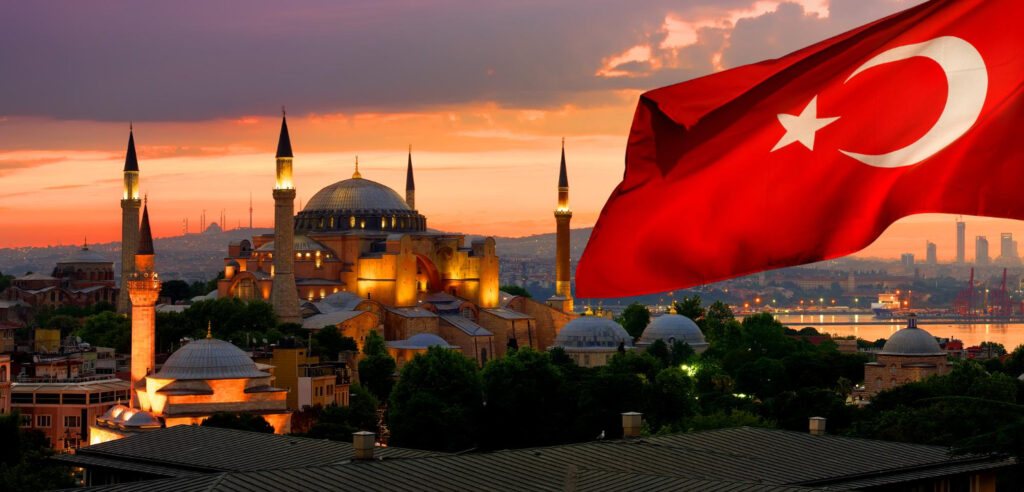
2025–2026: Pakistani Students Study in Turkey Home 2025–2026: Pakistani Students Study in Turkey Turkey is becoming an increasingly popular destination for Pakistani students seeking quality education, affordable living, and strong career prospects abroad. With world‑class universities, extensive scholarship options, and a culturally welcoming environment, Turkey offers a compelling alternative to Western destinations especially for students looking to balance high‑quality learning with manageable costs. Why Choose Turkey for Higher Education? 1. Affordable Education and Living Costs Compared to many Western countries, tuition fees in Turkey are significantly lower. Many public universities offer annual fees as low as $300 – $2,000, while private institutions remain competitive compared to Europe or North America. At the same time, monthly living expenses including accommodation, food, transport, and utilities are generally cost‑effective, making Turkey a budget‑friendly study choice. 2. Strong Scholarship Programs Turkey offers several attractive scholarship opportunities for Pakistani students. The most notable is the Türkiye Bursları Scholarship (Turkish Government Scholarship), which is fully funded and covers tuition, accommodation, monthly stipend, health insurance, and even one flight ticket. These scholarships are offered annually for undergraduate, master’s, and PhD programs and make studying in Turkey financially accessible. Other universities including Sabancı University, Middle East Technical University (METU), and Bilkent provide merit‑based scholarships that cover partial or full tuition based on academic performance. 3. Welcoming and Culturally Familiar Environment Turkey’s rich cultural heritage and majority Muslim population make it a comfortable and familiar setting for Pakistani students. Halal food, easily accessible mosques, and a growing Pakistani student community help international students feel at home. Top Universities and Programs in Turkey Turkish universities offer a wide range of programs across disciplines such as engineering, business, medicine, social sciences, arts, and technology. Some well‑known options include: Middle East Technical University (METU) Renowned for engineering and science programs. Sabancı University Offers merit scholarships and strong research focus. Bilkent University Known for business and technical degrees. Turkey’s universities also participate in international exchange programs like Erasmus+, giving students opportunity to study in Europe during part of their degree. Studying in Turkey: Step‑by‑Step Guide 1. Choose Your Program and University Research universities and courses that match your academic interests and career goals. Consider entry requirements, language of instruction (Turkish or English), and scholarship availability. 2. Prepare and Submit Applications Apply online through university portals or the centralized Türkiye Bursları system if applying for government scholarships. Ensure your academic transcripts, passport information, and other required documentation are complete before submission. 3. Accept Offer and Apply for Visa Once accepted, you’ll receive an official admission letter. Use this letter to apply for a Turkish student visa at the Turkish Embassy or Consulate in Pakistan. Required documents typically include the admission letter, valid passport, completed visa form, financial proof, health insurance, and passport‑sized photos. Processing time can vary, so it’s advisable to apply 2–3 months before your program’s start date. Cost Breakdown and Financial Planning Tuition Fees: Public universities: $300–$2,000 per year Private universities: $5,000–$20,000 per year Living Expenses: Accommodation: $150–$500 per month Food: $100–$300 per month Transport: $20–$50 per month Most Pakistani students rely on a combination of personal funding, scholarships, and part‑time work to support their education. Work Opportunities and Career Pathways International students in Turkey are allowed to work part‑time during their studies (typically up to 20–24 hours per week), which helps cover personal expenses and gain valuable experience. After graduation, students may explore full‑time work permits, although rules differ by degree level and field. Student Life in Turkey Turkey combines high‑quality academics with vibrant student life. Cities like Istanbul, Ankara, and Izmir offer a mix of modern amenities, historical sites, and social opportunities. Students can engage in clubs, athletics, and cultural events, enriching both academic and personal growth. Tips for Pakistani Students Apply early: Start your application and visa process well before deadlines to avoid delays. Prepare finances: Gather accurate bank statements and financial documents as needed. Learn basics of Turkish: While many programs are in English, knowing basic Turkish can enhance daily life and job prospects. Conclusion For the 2025–2026 academic session, Turkey continues to be a welcoming and resourceful destination for Pakistani students. With affordable education, strong scholarship options, diverse program choices, and cultural comfort, Turkey offers a balanced and enriching international study experience. Careful planning and expert guidance can help you make the most of this promising opportunity.
Study in Canada: Education Quality, Work Options, and PR Pathways

Study in Canada: Education Quality, Work Options, and PR Pathways Home Study in Canada: Education Quality, Work Options, and PR Pathways Canada has emerged as one of the most popular study abroad destinations for international students, offering high-quality education, multicultural environments, and attractive post-study opportunities. Known for its world-class universities and welcoming policies, Canada provides students with an excellent platform for academic growth and professional development. 1. High-Quality Education Canada’s education system is renowned globally for its academic rigor and research-focused approach. Universities and colleges offer a wide range of programs in fields such as engineering, business, healthcare, technology, and the arts. Canadian institutions emphasize both theoretical knowledge and practical skills, ensuring graduates are well-prepared for the job market. Many universities also provide co-op programs or internships, giving students hands-on experience during their studies. 2. Affordable Tuition and Scholarships Compared to other popular study destinations like the USA or the UK, Canada offers relatively affordable tuition fees. In addition, a variety of scholarships, grants, and financial aid options are available for international students. Merit-based and need-based scholarships can help reduce the cost of education, making it more accessible to a wider range of students. 3. Work Options While Studying Canada allows international students to work part-time while pursuing their studies. Typically, students can work up to 20 hours per week during academic sessions and full-time during scheduled breaks. This provides an excellent opportunity to gain practical experience, support living expenses, and enhance employability. Many programs also include co-op or internship placements as part of the curriculum. 4. Post-Study Work Opportunities One of Canada’s biggest advantages for international students is the Post-Graduation Work Permit (PGWP) program. Graduates from eligible institutions can obtain a work permit for up to three years, allowing them to gain valuable Canadian work experience. This experience is often a stepping stone toward permanent residency and long-term career opportunities in Canada. 5. Pathways to Permanent Residency (PR) Canada offers multiple pathways for international students to transition from study to permanent residency. Programs like the Canadian Experience Class (CEC) under Express Entry, provincial nominee programs (PNPs), and other immigration streams recognize Canadian education and work experience as valuable criteria for PR eligibility. Many students take advantage of these pathways to establish a long-term career and life in Canada. 6. Multicultural Environment and Student Life Canada is celebrated for its cultural diversity and inclusive society. International students enjoy a safe, welcoming environment and can easily adapt to life abroad. Universities provide extensive support services, including orientation programs, counseling, and career guidance, ensuring students thrive both academically and socially. 7. Tips for International Students Research universities and programs thoroughly to match your career goals. Check eligibility and admission requirements early to prepare your application. Plan your finances and explore scholarship options. Take advantage of part-time work and co-op programs to gain experience. Stay informed about PR pathways if long-term settlement in Canada is your goal. Conclusion Studying in Canada offers a unique combination of high-quality education, practical work opportunities, and clear pathways to permanent residency. With proper planning, guidance, and support, international students can make the most of their Canadian experience, building both a strong academic foundation and a successful career.
Complete Guide to Student Visa Requirements for International Students

Complete Guide to Student Visa Requirements for International Students Home Complete Guide to Student Visa Requirements for International Students Studying abroad is a dream for many students, but obtaining a student visa is one of the most critical steps in making that dream a reality. A student visa allows international students to live, study, and sometimes work in a foreign country legally. Understanding the requirements, process, and documentation involved can save time, reduce stress, and increase the likelihood of approval. 1. Understanding the Student Visa A student visa is a temporary visa issued by the destination country that allows students to pursue full-time education. Each country has its own visa regulations, eligibility criteria, and duration limits. Some countries also provide post-study work opportunities, which can be an added advantage for career growth. 2. Eligibility Criteria Eligibility requirements vary depending on the country and the type of program. Common criteria include: Acceptance letter from a recognized university or college Proof of sufficient financial resources to cover tuition fees and living expenses Language proficiency (e.g., IELTS, TOEFL, PTE) Valid passport Health and character certificates (medical tests and police clearance may be required) It’s important to check specific eligibility requirements for your destination country before starting the application. 3. Required Documents While requirements vary, most student visa applications require the following documents: Completed visa application form Valid passport with at least six months of validity Recent passport-size photographs Admission or acceptance letter from the university Proof of financial capability (bank statements, scholarships, or sponsor letters) Language proficiency test scores Health insurance documents (if applicable) Statement of purpose (SOP) or personal statement Additional country-specific documents (e.g., police clearance, medical tests) Preparing these documents carefully ensures a smoother application process and reduces the chances of rejection. 4. Application Process The student visa application process typically involves: Filling out the online or offline visa application form Uploading or submitting the required documents Paying the application fee Scheduling a biometric appointment or interview (if required) Attending the visa interview or submission at the consulate/embassy Processing times vary depending on the country, time of year, and the completeness of your application. It’s advisable to apply at least 2–3 months before your course begins. 5. Financial Requirements Most countries require proof that students can cover tuition fees and living expenses. This may include bank statements, scholarship letters, sponsor letters, or affidavits. Each country has different minimum financial thresholds, so it’s essential to verify the exact requirements to avoid delays or rejection. 6. Visa Interview Tips Some countries require a visa interview. Key tips include: Be honest and clear about your study plans Explain why you chose the specific university and program Demonstrate your ability to finance your studies Be confident and polite Proper preparation for the interview increases your chances of approval significantly. 7. Post-Approval Guidance After the visa is approved, students should: Check visa validity and duration Understand work restrictions (if allowed) Arrange travel and accommodation Familiarize themselves with local laws, culture, and campus facilities Some countries also require students to register with local authorities upon arrival. Conclusion Obtaining a student visa can seem challenging, but with careful planning, the right documentation, and proper guidance, the process becomes much easier. Understanding eligibility, financial requirements, and the application process helps students stay confident and well-prepared. Consulting with study abroad experts can provide additional support and ensure a smooth journey toward your international education goals.
How to Choose the Right University for Studying Abroad

How to Choose the Right University for Studying Abroad Home How to Choose the Right University for Studying Abroad Choosing the right university is one of the most important decisions for any student planning to study abroad. With thousands of universities worldwide, each offering a variety of programs, it can feel overwhelming. However, with the right approach, research, and guidance, you can make an informed decision that aligns with your academic goals, career aspirations, and personal preferences. 1. Identify Your Academic and Career Goals Before looking at universities, it’s crucial to understand what you want to achieve from your studies. Are you aiming for a career in research, technology, business, or healthcare? Do you prefer practical training or theoretical learning? Knowing your long-term goals will help you narrow down universities that offer programs aligned with your ambitions. 2. Research University Rankings and Reputation University rankings, such as QS World University Rankings or Times Higher Education, provide insights into academic quality, faculty expertise, and research output. While rankings shouldn’t be the sole factor, they give a general idea of the institution’s reputation and global recognition, which can be valuable when seeking employment after graduation. 3. Consider Location and Lifestyle The country, city, and campus environment can greatly affect your study abroad experience. Consider factors such as climate, language, cultural diversity, safety, cost of living, and transportation. Some students thrive in bustling cities, while others prefer smaller, quieter towns with close-knit campus communities. 4. Evaluate Program Offerings and Curriculum Each university may offer similar programs but with different specializations, course structures, or electives. Review the curriculum carefully to ensure it matches your interests and career objectives. Check if the university offers internships, research opportunities, or industry partnerships that can enhance your learning experience. 5. Understand Admission Requirements Different universities have varying entry requirements, including standardized tests, GPA, language proficiency, and specific prerequisites. Make sure you understand these criteria early on to avoid last-minute issues. Preparing in advance gives you ample time to strengthen your application and meet deadlines. 6. Check Tuition Fees and Financial Support Studying abroad can be expensive, so understanding tuition fees, accommodation costs, and living expenses is essential. Look for scholarships, grants, and financial aid opportunities offered by universities or external organizations. A university that provides financial support or flexible payment options can significantly ease the financial burden. 7. Review Alumni and Career Outcomes Investigate the success of graduates from the programs you’re interested in. Check alumni networks, employment rates, and career services offered by the university. Strong industry connections and placement support can make a huge difference in your post-graduation opportunities. 8. Seek Expert Advice and Guidance Consulting with study abroad experts or education consultants can help you navigate the complex process. They provide personalized advice based on your profile, preferences, and aspirations, ensuring you make a well-informed choice. Conclusion Choosing the right university is a combination of careful research, self-reflection, and strategic planning. By evaluating programs, location, costs, and career prospects, and seeking expert guidance, you can select a university that not only meets your academic needs but also enriches your overall study abroad experience.
Study in the United Kingdom: Latest Updates & Insights

Study in the United Kingdom: Latest Updates & Insights Home Study in the United Kingdom: Latest Updates & Insights The United Kingdom remains one of the most sought‑after destinations for international students, known for its prestigious universities, diverse cultural experiences, and strong academic reputation. However, recent policy changes and education trends are shaping the study abroad landscape, bringing both new opportunities and important considerations for future applicants. Recent Government Strategy Shifts In early 2026, the UK government announced a significant shift in its international education strategy. Rather than maintaining a numerical target for attracting global students, officials will now focus on expanding British education abroad through international hubs and partnerships. This aims to grow global “education exports” to £40 billion annually by 2030, while still welcoming students to the UK but with tighter visa compliance standards. Post‑Brexit Exchange Opportunities One of the most exciting developments for students is the UK’s planned return to the EU’s Erasmus student exchange programme in early 2027. This will allow UK students to study or train in EU countries under familiar conditions and vice versa for EU students in the UK helping to restore valuable cross‑border academic links that were paused after Brexit. Visa and Immigration Updates Visa rules for international students are evolving. From November 2025, financial maintenance requirements for student visas have increased: students must now show access to higher funds to support living costs around £1,529 per month in London and £1,171 outside London reflecting rising expenses across the country. Additionally, the UK will reduce the duration of the Graduate Route (post‑study work visa) from 2 years to 18 months starting January 2027 for bachelor’s and master’s graduates, though PhD students will still receive 3 years. This change means planning your study timeline strategically can help maximize work opportunities after graduation. Student Demographics & Trends Despite tougher rules in some areas, student demand from key markets continues to show resilience. Indian student enrolments have risen significantly, contributing to a rebound in international study visas granted in recent cycles, even with stricter requirements in place. Meanwhile, shifts in recruitment patterns and geopolitical factors have led universities to explore diversification of international student sources and strengthen global recruitment strategies. What This Means for Future Students Choosing to study in the UK still offers many advantages: internationally ranked programs, exposure to a multicultural environment, and access to robust job markets in sectors such as business, technology, and healthcare. However, prospective students should stay informed about financial requirements, visa timelines, post‑study work options, and emerging exchange opportunities. Planning early and consulting with expert advisors can help you navigate these evolving conditions confidently.